










+235 22 52 40 29

+235 22 52 41 45

info@clbt.org

Lake Chad Basin ConservationProject (PCBLT)

Lake Chad Basin Conservation
Project (PCBLT)

>

Duration: March 2023 – December 2026
Budget: CAD $25 million, + CAD $1.1M of in-kind contribution from Alinea and its consortium partners
Financial Partner: Global Affairs Canada (GAC)
Implementing Partner: Alinea International
Strategic Partner: Lake Chad Basin Commission (LCBC)
Consortium Partners: Centre for Forestry Education and Research (CERFO), Centre for Indigenous Environmental Resources (CIER), United Nations Association in Canada (UNAC), Centre for the Promotion of Human Rights and Development in Africa (CPHDA)
Community Partners: AGIR Plus- Niger, Alliance Citoyenne pour le Développement et l’Education à l’Environnement (ACEEN-Cameroon) and Organisation Sauvons le Lac Tchad (OSLT-Chad)

Introduction

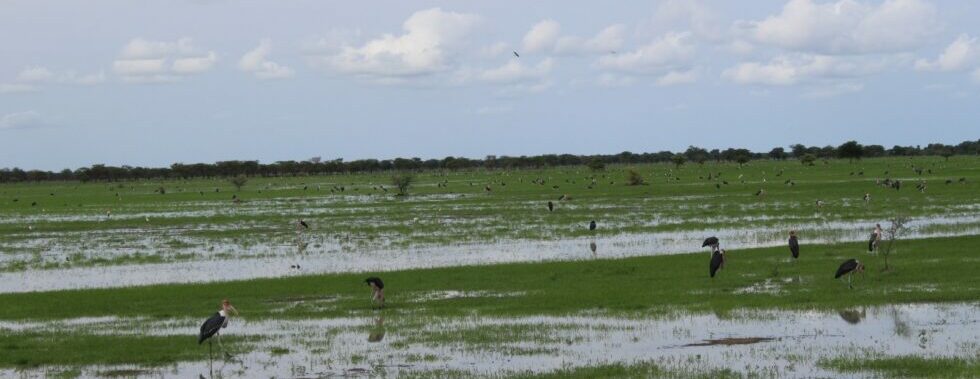
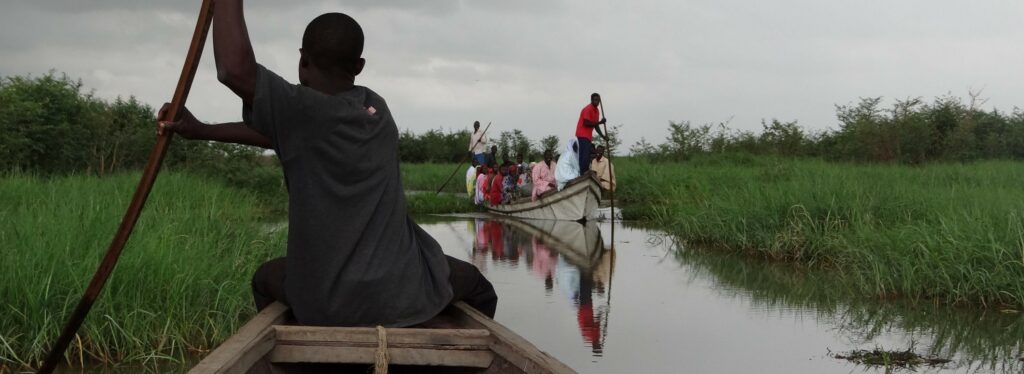
The Lake Chad Basin Conservation Project (LCBCP) strengthens the climate resilience of ecosystems and marginalized communities, particularly women and youth, across six Ramsar sites in Cameroon, Chad, and Niger. These regions face ecological degradation, biodiversity loss, hydrological instability, and increasing tensions around the utilization of natural resources.
 

Introduction

Wetland Conservation &
Climate Adaptation

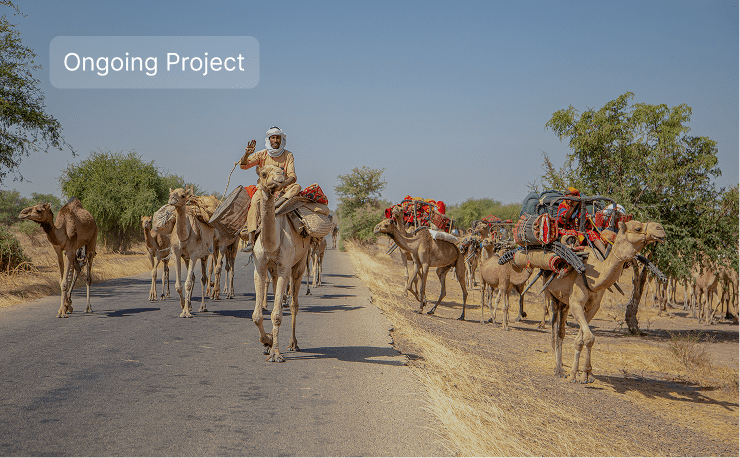
The project promotes the restauration and conservation of wetlands and agropastoral areas by marginalized communities highly vulnerable to climate change, across protected areas of the Lake Chad Basin registered under the Ramsar Convention.
Through community-led restoration, climate adaptation practices, and environmental stewardship, the project protects fragile ecosystems while improving community resilience to climate shocks.

Women & Youth Economic
Empowerment

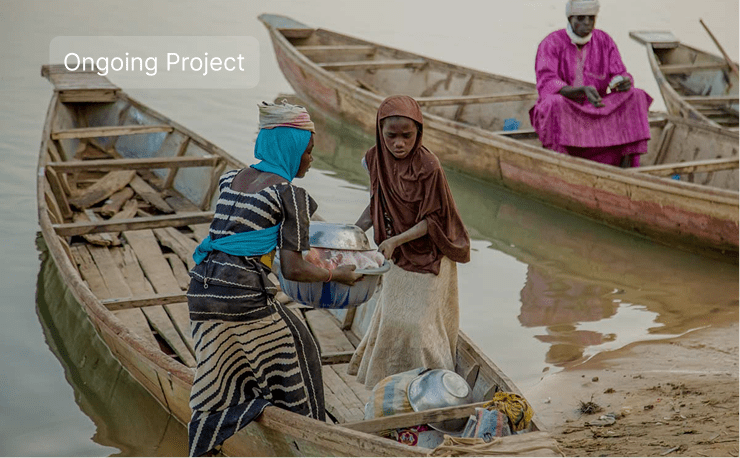
The project supports women and youth in vulnerable agropastoral communities located within and around priority Ramsar sites to adopt and benefit from sustainable, climate-smart agricultural livelihoods.
By strengthening adaptive capacities, income-generating activities, and access to productive resources, the project enhances food security, economic resilience, and adaptation to climate change.

Environmental Peacebuilding &
Leadership

The project enhances the leadership of women and youth in environmental peacebuilding around targeted Ramsar sites and within existing regional stabilization processes. By strengthening inclusive governance, dialogue, and community engagement, the project reinforces social cohesion and peace across the Lake Chad Basin and contributes to the Regional Stabilization Strategy of the LCBC and its partners.

Objectives

The project aims to:

  • Restore degraded ecosystems and strengthen biodiversity.
  • Support the utilization of NbS for climate adaptation and resilience.
  • Promote inclusive and equitable resource governance.
  • Advance gender equality and social inclusion.
  • Support climate-resilient livelihoods for women, youth, and marginalized groups.
  • Strengthen cross-border environmental cooperation.
  • Integrate environmental peacebuilding into regional stabilization processes.


Zones of Intervention (Ramsar Wetlands Sites)

Chad

· Lac Fitri
· Logone Floodplains & Toupouri Depressions
· Bahr Aouk & Salamat Floodplains

Niger

· Lac de Guidimouni
· Mare de Lasouri

Cameroon

· Waza Logone Floodplains

Expected Achievements and Impact

The project aims to strengthen the climate resilience of ecosystems and marginalized communities, particularly women and youth, across the Lake Chad Basin through NbS.

Its expected quantitative results are listed below:

0

Hectares of wetland or
agropastoral areas
restored.

0

Government and LCBC officials trained
(30% women).

0

Gender Model Families sensitized and trained.

0

Direct beneficiaries, including 75% women.

0 M+

people benefiting from improved ecosystem services.

0 M

Displaced persons indirectly benefiting from environmental peace building integration.

Success stories

Here are a few examples of how PCBLT is transforming lives across
the Lake Chad Basin:

Income Generating Activities (IGA)
Ms. Charlotte Inna
Member, SCOOPS DINGUI ZI FALAKAÏ Cooperative
Maga, Chad

This story highlights how integrated agro-fisheries, women’s leadership, and circular agriculture are strengthening livelihoods, food security, and climate resilience in Maga.
 “Before the project, fish farming in Maga was done in a very basic way and depended entirely on the river. With the support of the Lake Chad Basin Conservation Project, the group installed above-ground fish tanks, making production easier and more reliable. Today, the water from the fish tanks is reused to irrigate vegetable gardens, enriching the soil naturally and reducing waste. Managed entirely by women, this circular system now allows them to produce both fish and vegetables year-round — even during the biological rest period when fishing is prohibited. As a result, incomes are increasing, and the community is no longer fully dependent on the river.”

Scroll to Top